As we approach the National Day for Truth and Reconciliation on September 30, we reflect on the important role tourism can play in amplifying Indigenous voices, preserving cultural knowledge, and fostering deeper understanding between communities.
Indigenous tourism is not just an economic opportunity, it is a platform for truth-telling, cultural revitalization, and healing. Whether through storytelling, art, ceremony, or business, Indigenous tourism invites visitors to engage with the rich cultures and histories that have existed on this land since time immemorial. It also provides an economic and cultural platform for Indigenous communities to lead, create, and thrive.
As a tourism organization, we recognize the importance of creating space for Indigenous tourism to thrive, not only during moments of national reflection, but year-round. We celebrate the Indigenous leaders and organizations already bringing these experiences to life across York, Durham, and Headwaters and we acknowledge that Central Counties Tourism operates within the ancestral Territory and Treaty Lands of the Hiawatha, Curve Lake, Alderville, Mississaugas of Scugog Island, Mississaugas of the Credit, and Mississauga First Nations, as well as the Anishinaabeg, Chippewas of Georgina, Haudenosaunee, and Huron-Wendat Peoples, and is now home to many diverse First Nations, Inuit, and Métis Peoples.
Recognizing Indigenous-Led Tourism and Cultural Expression Across in YDH
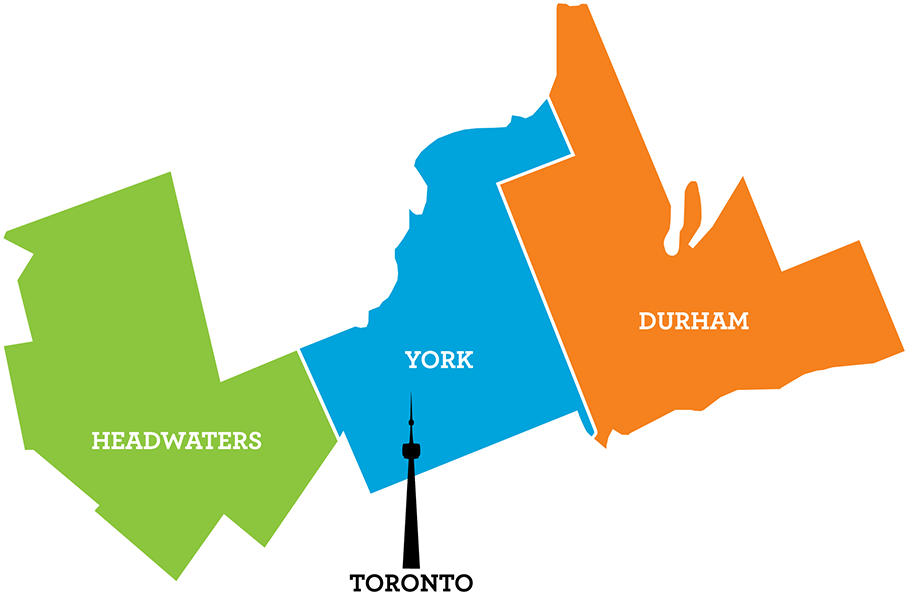
Indigenous culture and contributions are deeply embedded in the landscapes and communities across York, Durham, and Headwaters (YDH). From public installations to immersive programming, the region is home to several experiences and spaces that honour and celebrate Indigenous heritage.
In York Region, the newly renamed Sharon Museum and Gardens (formerly The Sharon Temple National Historic Site and Museum) features the Hope & Reconciliation sculpture – a striking public artwork that invites reflection and learning. In the Town of Georgina, a collection of outdoor Indigenous sculptures animates public spaces and fosters dialogue about the region’s Indigenous heritage. The Chippewas of Georgina Island First Nation, whose territory extends across Lake Simcoe, welcome visitors to their annual Pow Wow – a celebration of culture, tradition, and community. The Experience Trail Marker Project, commissioned by the York Region Arts Council, showcases a series of trail marker installations created through collaboration between Indigenous artists and knowledge keepers, weaving together visual storytelling and cultural narratives to reconnect people with the land. Other highlights include The Village at Black Creek, which offers Indigenous-led programs that share traditional skills and stories, and the McMichael Canadian Art Collection, where exhibitions and programming celebrate Indigenous artists and their contributions to Canada’s cultural landscape.
Durham Region is home to the Mississaugas of Scugog Island First Nation who also host an annual Pow Wow that draws visitors from near and far. Across Durham, Indigenous culture is also reflected in public installations such as Water is Medicine and Ayukwenodih in Pickering, as well as museum programming like A Carrying Place at the Oshawa Museum. The Ojibway Heritage Interpretive Lands at Scugog Shores Museum Village provides an immersive experience where visitors can engage with Ojibway culture through the natural and cultural history of the Scugog Watershed prior to European settlement, featuring a traditional Wigwam, native plants, and new teaching and pollinator garden.
In Headwaters, Indigenous programming is incorporated into various cultural institutions and seasonal events, offering opportunities to learn about and engage with Indigenous history and culture. Highlights include the Crane Gathering Space at Island Lake Conservation Area in Orangeville – the first Indigenous placemaking site along the Credit Valley Trail – developed in partnership with the Mississaugas of the Credit First Nation to celebrate Anishinaabe culture, ceremony, and traditions. Headwaters is also home to the Mino Kamik Medicine Wheel Garden in Bravery Park, Orangeville, a community space with four raised garden beds representing the directions of the Medicine Wheel, where visitors can learn about sacred plants, animals, and traditional teachings. Other initiatives include the Circle of Life in Shelburne and a growing collection of Indigenous-inspired public artworks, including sculptures and murals.
Together, these Indigenous experiences and initiatives across YDH highlight the many ways culture, history, and creativity are being shared throughout the region, offering opportunities for visitors to learn, connect, and engage year-round. While this selection represents only some of the Indigenous cultural works across the region, it reflects the rich diversity of heritage and creativity being celebrated.
Why Indigenous Tourism Matters
Indigenous tourism offers experiences that are grounded in community, tradition, and respect for the land. These experiences are not only meaningful for visitors, they are essential for Indigenous economic development, cultural preservation, and intergenerational knowledge-sharing.
Supporting Indigenous tourism also helps ensure that stories are shared by those who hold them. It’s about authenticity, sovereignty, and respectful engagement, and about recognizing the tourism industry’s potential to contribute to reconciliation in tangible ways.
For non-Indigenous tourism operators, learning how to support Indigenous partners, amplify their offerings, and engage respectfully is an important step on the path toward shared prosperity and understanding.
Resources to Support and Grow Indigenous Tourism
Whether you’re an Indigenous entrepreneur looking to build or expand your tourism offering, or a non-Indigenous operator wanting to support reconciliation and inclusion, there are organizations ready to help:
For Indigenous Operators:
- Indigenous Tourism Ontario (ITO) offers tools, training, and promotional support for Indigenous tourism businesses across Ontario.
- Indigenous Tourism Association of Canada (ITAC) provides funding opportunities, business development tools, and national marketing support.
- Through ITAC, Indigenous tourism operators can apply to be part of the Original Original Accreditation Program — a national trustmark that identifies authentic Indigenous-owned and -led experiences.
For Non-Indigenous Tourism Partners:
- Explore opportunities to build respectful partnerships with Indigenous communities through programs and resources offered by ITO and the ITAC, such as Indigenous tourism training modules, networking events, and collaborative initiatives.
- Learn about the traditional territory your business operates on and explore opportunities for cultural awareness training or land acknowledgements.
- Include Indigenous tourism offerings in itineraries, promotional campaigns, and event collaborations.
To further explore the future of Indigenous tourism and its role in cultural preservation, economic growth, and long-term sustainability, hear directly from Keith Henry, President & CEO of the Indigenous Tourism Association of Canada, in this short video:
Reconciliation is not a one-day event or a single act; it is an ongoing journey that asks each of us to listen, learn, and take action. For those of us in the tourism sector, that journey can begin with something as simple as sharing a story, visiting a cultural site, or extending a hand in partnership.
By uplifting Indigenous tourism experiences across York, Durham, and Headwaters, we honour the past, support the present, and help shape a future where Indigenous voices are heard, celebrated, and valued.